Pearson Partners International

Tag: onboarding

  • Set Clear Objectives When Onboarding Senior Executives

    Set Clear Objectives When Onboarding Senior Executives


    Keith Pearson photoBy Keith Pearson, President & Chief Executive Officer

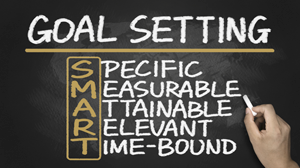
    Setting clear short-term objectives is essential to the onboarding process for senior executives. A new executive needs a sense of direction while learning about the organization’s people, culture and business processes. Having objectives can also reduce the stress on a new executive, who can move forward in a new role knowing the company’s expectations.

    From the organizational perspective, having measurable objectives allows the CEO or board of directors to assess the executive’s performance during the transition period, and engage an executive coach if appropriate.

    A new member of the C-suite has a lot to learn in his or her first few months, especially when coming from outside the organization. The onboarding challenge is to bring the new executive up to speed as quickly as possible, so he or she can make a positive contribution to the organization. That means focusing the learning process on the most important areas, and giving the executive an early opportunity to demonstrate leadership skills.

    For example, a new chief operating officer (COO) might be asked to prepare a business plan for a new branch office in a different market. To do so, the COO would need to discuss the key issues with colleagues in the C-suite, as well as the managers who would be in charge of the office. The COO would have to learn about how the new office fits into the company’s sales and marketing strategy, as well as the opportunities and challenges in serving that particular market.

    A new chief information officer or chief technology officer (CIO/CTO) might be charged with analyzing and providing recommendations for the organization’s digital strategy. That could include building or fortifying a customer database, increasing the organization’s web and social media activity, developing mobile applications or building more effective ecommerce platforms.

    The objectives for a new corporate counsel or chief legal officer might include conducting a wide-ranging organizational risk assessment, identifying the most serious threats and making recommendations to mitigate those risks.

    These examples illustrate how setting short-term objectives can benefit both the senior executive and the organization. Setting clearly defined short-term goals brings transparency to the onboarding process, and supports an early assessment of the executive’s strengths, weaknesses and management style. It also paves the way for the new executive to start thinking about how he or she can help shape the organization’s long-term strategic goals.

    It’s vital for organizations to recognize the importance of the onboarding process, and set clear and measurable objectives for new senior executives.

  • The Power of CEO Coaching During Onboarding

    The Power of CEO Coaching During Onboarding

    [button url=”/newsletter/searchlight-newsletter-q3-2013/” scrollid=”” icon=”none” type=”inverse”]Go Back to Searchlight Q3 2013[/button]


    Lisa Thompson, Managing Director, Professional Services lisa thompson

    Executive coaching is an important part of the corporate culture in many organizations. When done effectively, coaching can boost productivity and help build new career skills. Yet, many organizations don’t extend their coaching programs into the C-suite. Coaching the CEO can be one of the best investments an organization can make, since the impact goes far beyond the C-suite—and it’s especially vital during the onboarding of a new CEO. One of the best moves a board of directors can make when naming a new CEO is engaging an executive coach for a series of one-on-one sessions.

    When a new CEO is appointed, whether from the outside or from within, there is often a steep learning curve. Someone stepping in from the outside needs to learn about the organization, the key players, board members and other stakeholders, and the overall culture. A CEO promoted from a functional area within the organization may need to hone skills in finance, technology, marketing, operations or other disciplines to excel in cross-functional management. And any new CEO may need to adjust his or her leadership style in keeping with the new position and organizational culture.

    It’s much easier to put this support system in place at the time of hiring and onboarding, rather than several months down the road when the CEO may be reluctant to ask for help or too busy to make time for coaching. Although we talk frequently about the “first hundred days” being a critical breaking-in period for a new CEO, sometimes this acclimation must occur much more quickly, such as during a financial or public relations crisis.

    There are several ways the coaching engagement should be customized to the individual situation. For instance, an executive coach might be invited to observe the CEO in action and provide confidential suggestions and advice. Or the coach might be directed to focus on one or more particular areas, such as conflict resolution, communication skills or working with investors and analysts. If possible, it is wise to enlist talented and informed people in planning the coaching objectives, such as the current CEO and one or more board members to provide their own views as a starting point. Aside from a more effective transition, the tangential benefits of involving key stakeholders in a CEO coaching plan include greater support for the CEO and the coaching process through wider participation in its crafting and execution.

    A good executive coach can help the CEO focus on strategies for rapidly bridging any gaps in knowledge, skills or leadership style. In that regard, everyone in the organization—including the board and shareholders—benefits from having a CEO with the leadership skills and style to keep the organization moving forward toward its goals.